- Analytik
- Trading-Nachrichten
- The 2026 Rate Trap
The 2026 Rate Trap
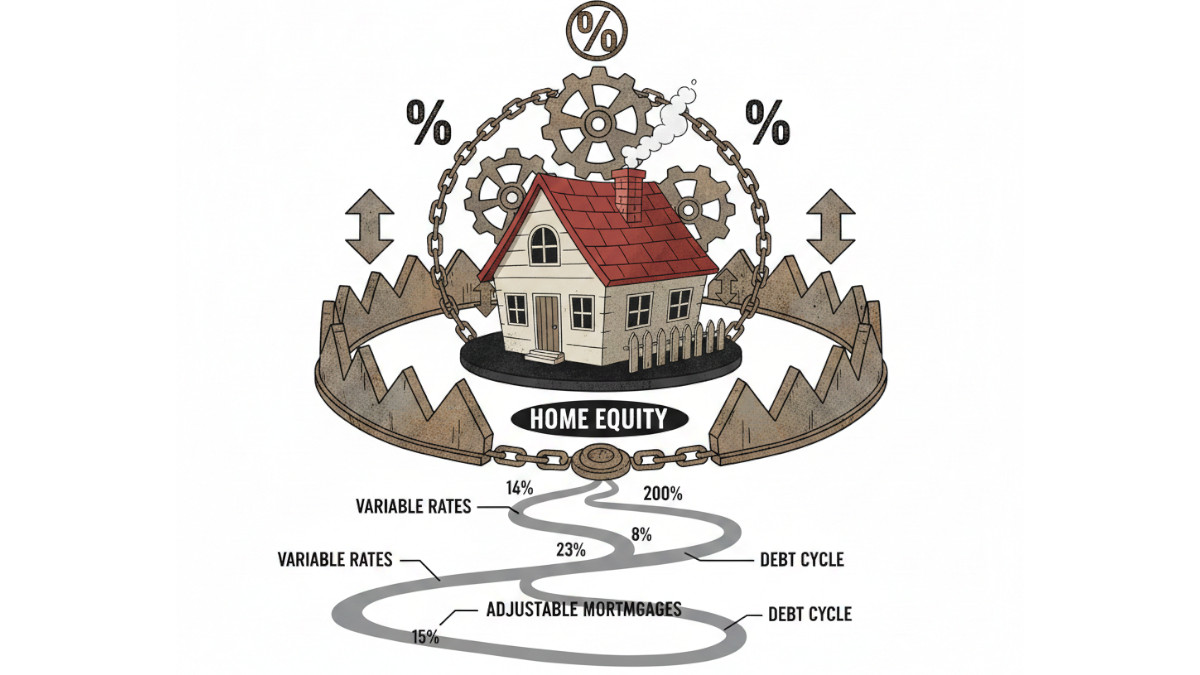
The Federal Reserve just cut interest rates for the third time, bringing them to a range of 3.50% - 3.75%. However, investors expecting this trend to continue into 2026 are likely mistaken.
Despite the market hoping for cheaper borrowing costs, the data suggests the Fed is preparing to hold the line. 2026 will look like a battle between sticky inflation and a fragile job market.
1. The Fed is Divided
The narrative that the Fed is united in lowering rates is not true. The recent decision to cut wasn’t smooth inside the central bank
- Two regional presidents officially voted "no" to the recent cut, and six others signaled they disagreed with it.
- Beth Hammack (Cleveland Fed), she will become a voting member next year, stated she prefers "restrictive" rates, current rates are too low to effectively kill inflation. As the voting rotation changes, the Fed will likely become more resistant to cuts.
2. Market is Over Optimistic
There is a disconnect between what investors expect and what the Fed is actually planning.
- Investors (via CME Fedwatch) are betting on two full rate cuts in 2026, dropping rates to around 3.0%.
- The Fed’s own forecast, Dot Plot, shows the median rate staying at 3.4%. This means - virtually zero cuts next year.
- Three Fed members actually want to raise rates back up to 4.0%.
Simply put, market expects lower rates soon, but the Fed says rates will stay high longer.
3. Inflation Bomb: Healthcare and Jobs Crisis
Fed can’t lower rates mainly because healthcare costs are expected to rise and keep inflation high. Fed aims to keep overall inflation around 2%. If healthcare costs rise sharply and account for about 1.5% of that 2%, then nearly all other prices in the economy would need to barely increase at all to stay on target. Since prices for things like housing, food, and energy almost never stay flat at the same time, inflation would likely remain too high, making it hard for the Fed to justify lowering interest rates.
With inflation stuck due to healthcare costs and tariffs, the Fed has no reason to cut rates, unless the economy breaks.
Fed Chair Powell has admitted that job growth figures might be overstated. If the labor market collapses, the Fed will be forced to cut rates to save jobs. However, without a significant rise in unemployment, the data supports keeping rates exactly where they are.
Do not count on the two rate cuts the market is predicting for 2026. With healthcare costs rising and key Fed officials pushing for higher rates, the only thing likely to lower borrowing costs next year is a recession.
Neues leistungsstarkes Instrument, US-Dollar-Index Technische Daten
Neues leistungsstarkes Instrument, US-Dollar-Index Technische Daten
Technische Live-Analyse mit Sofortprognose auf Basis der gängigsten Indikatoren und Oszillatoren.
Versuch's jetzt

Wenn du keinen Weg findest, Geld zu verdienen, während du schläfst, wirst du arbeiten, bis du stirbst.- Warren Buffett