What the Oil Price Drop Really Means
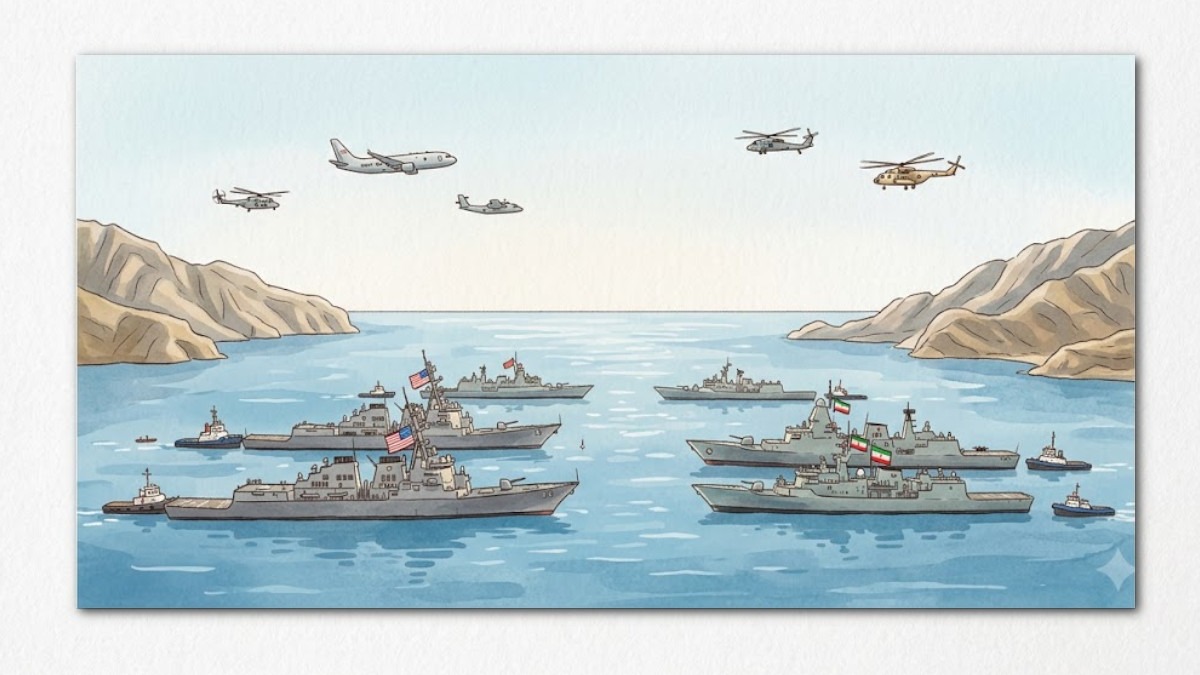
Oil prices took a sharp drop on Sunday evening 5 % after the US and Iran agreed to stop trading strikes over the Strait of Hormuz. On the surface, this looks like good news. But if you dig deeper the picture is less reassuring than the headline suggests.
The US ambassador to the UN, Mike Waltz, said Sunday that President Trump was giving the ongoing talks "some space" before deciding whether to start striking again. In other words, this is a timeout, where both sides have been fighting for control of the Strait of Hormuz.
A pause in fighting is not the same as the strait reopening for business, even if headlines cause a sell off in oil prices, nobody expects shipping through Hormuz to get back to normal any time soon. And now there is rising tensions between Yemen Houthi forces and Saudi Arabia that threaten to disrupt the Red Sea as well.
This is important for Trump, politically
Midterm elections are just over 100 days away, and Republicans are fighting to hold onto both the House and Senate. Gas prices and the broader cost of the conflict have been dragging down Trump approval numbers, only 36% of voters approved of how Trump was handling the presidency.
Average gas prices in the US are now sitting at $4.11 a gallon, according to AAA. Before the conflict started back in late February, prices were under $3, it’s a huge jump for normal households.
The ripple effect
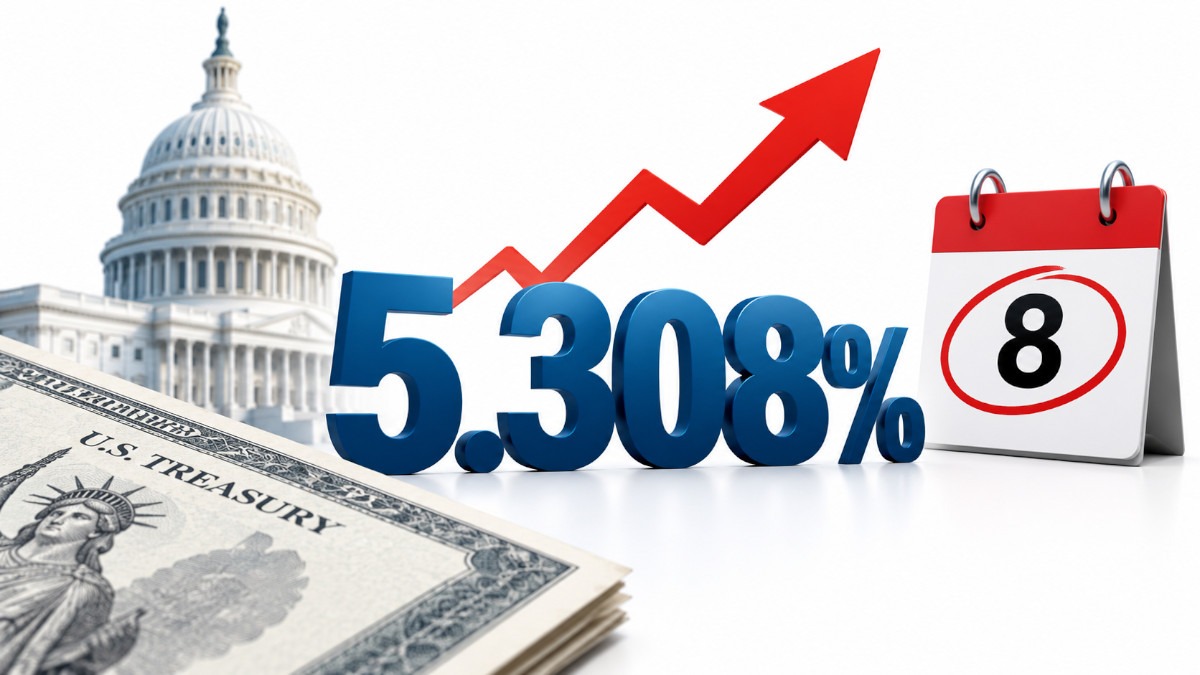
Higher gas prices have helped push inflation up to 4.1 %, which is more than double the Federal Reserve's target of 2%. Officials are meeting soon to figure out whether prices are running hot enough to justify raising interest rates for the first time in three years.
Right now, betting markets don't think a rate hike is likely this week. Traders were pricing in roughly a 36 % chance of a rate increase as of Sunday evening, actually down slightly from the day before. Higher energy costs though might lead to tightening policy eventually, but the committee is still expected to hold off for now.
What this means if you're trading oil CFDs
This is exactly the kind of environment that deserves extra caution. A 5% overnight move is a big swing, and headline driven price drops will reverse just as fast, especially with the strait still effectively shut and the Red Sea situation adding a second layer of risk.
A few things for you to think through
- Don't treat the ceasefire as a trend. This is a pause rather than a shift in the underlying supply situation.
- Watch the Wednesday Fed decision. With rate rise odds around 36%, surprise could move oil prices independently of what's happening in the Middle East.
- Wide swings in both directions are more likely than usual right now. Tighter position sizing and wider stop distances (or vice versa, depending on your strategy) can help manage the risk of getting whipsawed.
- Keep an eye on the Red Sea and Houthi-Saudi tensions. This is the next red flag, and it could move prices even if the US/Israel-Iran war stays quiet.
새롭고 강력한 도구, WTI유 테크니컬스


If you don’t find a way to make money while you sleep, you will work until you die.- Warren Buffett