- Analyses
- Actualités du trading
- Effondrement de la devise iranienne et test de résistance des BRICS
Effondrement de la devise iranienne et test de résistance des BRICS
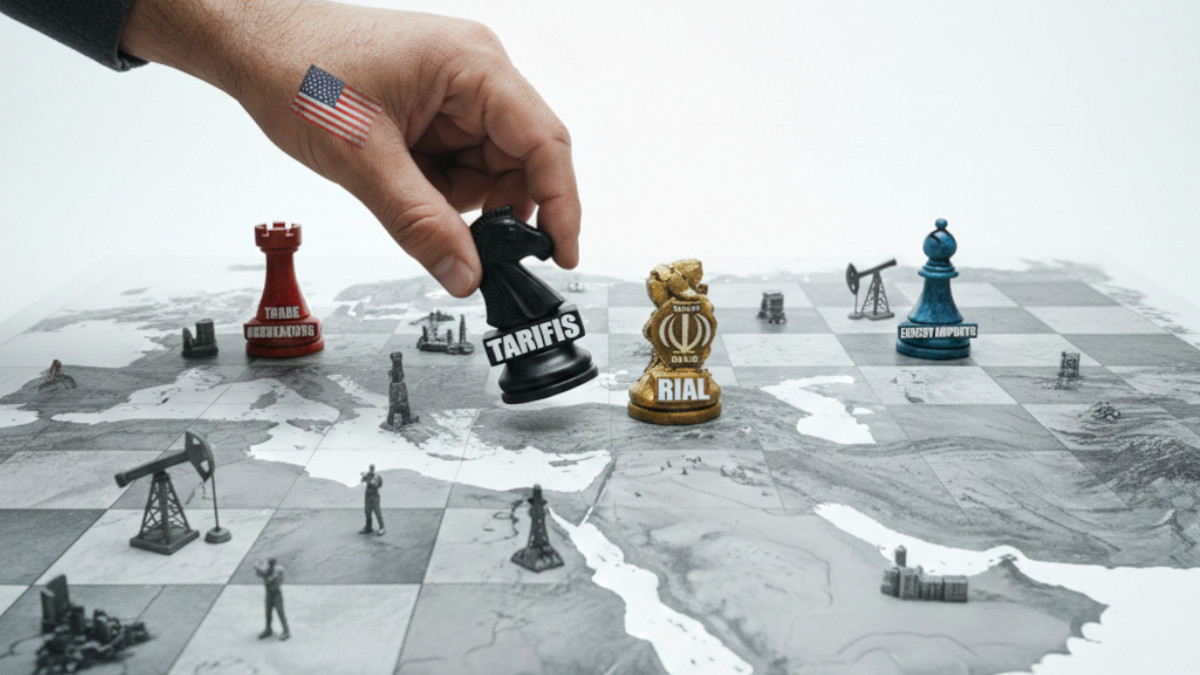
Voici donc ce que nous avons ; Le rial iranien s'est effondré début 2026. Cette situation est due à la défaillance de la devise, à l'effondrement de la sécurité et à l'inefficacité des stratégies diplomatiques. En janvier 2026, le Rial avait déjà battu tous ses précédents records.
Examinons de plus près les véritables causes de cet effondrement et son lien avec le contexte plus large : la bataille géopolitique avec les États-Unis, les troubles qui se produisent à l'intérieur de l'Iran, et ce que cela pourrait signifier pour l'alliance des BRICS à l'avenir.
Les mécanismes de la chute libre du Rial
Voici comment le procès a fini par s'effondrer. Ce que nous observons aujourd'hui est le résultat de pressions économiques mêlées à des manœuvres politiques douteuses qui ont finalement atteint un point de rupture fin 2025.
1. Le “Snapback” et Étranglement de liquidité
Tout commence réellement par le « snapback » de l’ONU ; en septembre 2025, les puissances européennes ont déclenché cette procédure, ce qui a entraîné le rétablissement de toutes les sanctions antérieures à 2015, ce qui a a effectivement coupé l'Iran du peu d'accès qu'il lui restait au système financier mondial.
Les actifs de la Banque Centrale ont de nouveau été gelés, et Les périodes dites de ''réduction progressive'' des contrats pétroliers existants ont expiré le 1er janvier 2026. Dès lors que l'Iran ne put plus rapatrier ses revenus pétroliers en dollars, la Banque Centrale a perdu sa capacité d'intervenir sur le marché des changes. Et lorsqu'un gouvernement ne peut plus vendre de dollars pour défendre sa devise, le taux de change s'envole.
2. Le déficit budgétaire inflationniste
En même temps, le déficit budgétaire iranien pour la période 2025-2026 a explosé pour atteindre environ 1 800 milliards de tomans. Pour couvrir cet écart, le gouvernement a eu recours massivement à l'expansion monétaire, en gros, il s'agit d'imprimer de l'argent pour continuer à payer les fonctionnaires et financer ses engagements militaires régionaux.
Fin 2025, l'inflation annuelle avait atteint 48,6 %, et les prix des produits alimentaires avaient augmenté de 72 %. À ce moment-là, le rial a cessé de jouer son rôle de réserve de valeur. Vous pouvez le constater sur le terrain : les commerçants du Grand Bazar de Téhéran ont commencé à fermer leurs boutiques en décembre 2025 car les prix changeaient si rapidement qu'ils ne pouvaient même plus suivre d'heure en heure.
3. La fin des taux de change subventionnés
Puis est venu un autre choc. Afin de réduire la corruption et de diminuer le déficit, le gouvernement du président Pezeshkian a commencé à supprimer les taux de change préférentiels accordés à de nombreuses importations.
Les importateurs qui s'approvisionnaient en dollars aux taux officiels, comme 42 000 ou 285 000 rials iraniens, ont été soudainement contraints de se tourner vers le marché libre, où le taux avoisinait les 1,4 million de rials iraniens. Cela a provoqué une hausse immédiate de la demande de dollars américains, a fait chuter le rial du jour au lendemain et a instantanément doublé le coût de produits comme les médicaments et la technologie.
BRICS comme cible
Par-dessus tout, les États-Unis ont exploité la vulnérabilité de l'Iran pour affaiblir l'alliance des BRICS, à laquelle l'Iran a officiellement adhéré en 2024. Pour Téhéran, l'adhésion aux BRICS était censée démontrer que le « Sud global » pouvait fonctionner sans dépendre du dollar américain.
Au lieu de cela, les États-Unis ont exercé des pressions par le biais de sanctions et en interceptant la « flotte de l'ombre » iranienne, comme le pétrolier Bella 1 en janvier 2026. Puis vient l’annonce du président Trump en janvier 2026 d'un droit de douane secondaire de 25 % sur les importations en provenance d'Iran. Cela a contraint les partenaires des BRICS, tels que l'Inde et le Brésil, à choisir entre les discours sur la solidarité multipolaire et leurs relations commerciales bien plus importantes avec l'Occident.
Du point de vue de Téhéran, les manifestations nationales qui ont débuté fin 2025 sont perçues comme une « révolution de couleur » orchestrée par les États-Unis, visant à installer un gouvernement qui reconsidérerait l'alignement de l'Iran sur l'Orient. Bien que Washington affirme soutenir la « liberté », le contexte de la guerre des Douze Jours contre Israël et des sanctions qui ont suivi montre clairement que le rôle stratégique de l'Iran au sein des BRICS est une cible prioritaire.
Conclusion
Quand on met tout cela ensemble, l'effondrement du Rial vient d'une tempête parfaite:
- La guerre de 2025 contre Israël a fait grimper la prime de risque de l'Iran à des niveaux insoutenables.
- Le shutdown des routes pétrolières clandestines a bloqué l'accès aux devises fortes.
- La dollarisation intérieure a atteint un point où le public a tout simplement cessé de croire que le rial pouvait être sauvé.
À la fin de la journée, le rial iranien ne se contente pas de s'effondrer, il devient victime d'une guerre économique mondiale. La capacité du régime à survivre à cette épreuve de force dépend désormais de celle de ses partenaires des BRICS, notamment la Russie et la Chine, à intervenir face à l'escalade continue de la pression américaine.
Nouvel outil puissant, Technicals Pétrole (WTI)
Nouvel outil puissant, Technicals Pétrole (WTI)
Analyse technique en direct avec prévisions instantanées utilisant les indicateurs et oscillateurs les plus populaires
Essayer maintenant

Si vous ne trouvez pas un moyen de gagner de l’argent pendant votre sommeil, vous allez travailler jusqu’à votre mort.- Warren Buffett