- Аналитика
- Торговые Новости
- Запасы нефти и вопрос доверия к ОПЕК
Запасы нефти и вопрос доверия к ОПЕК
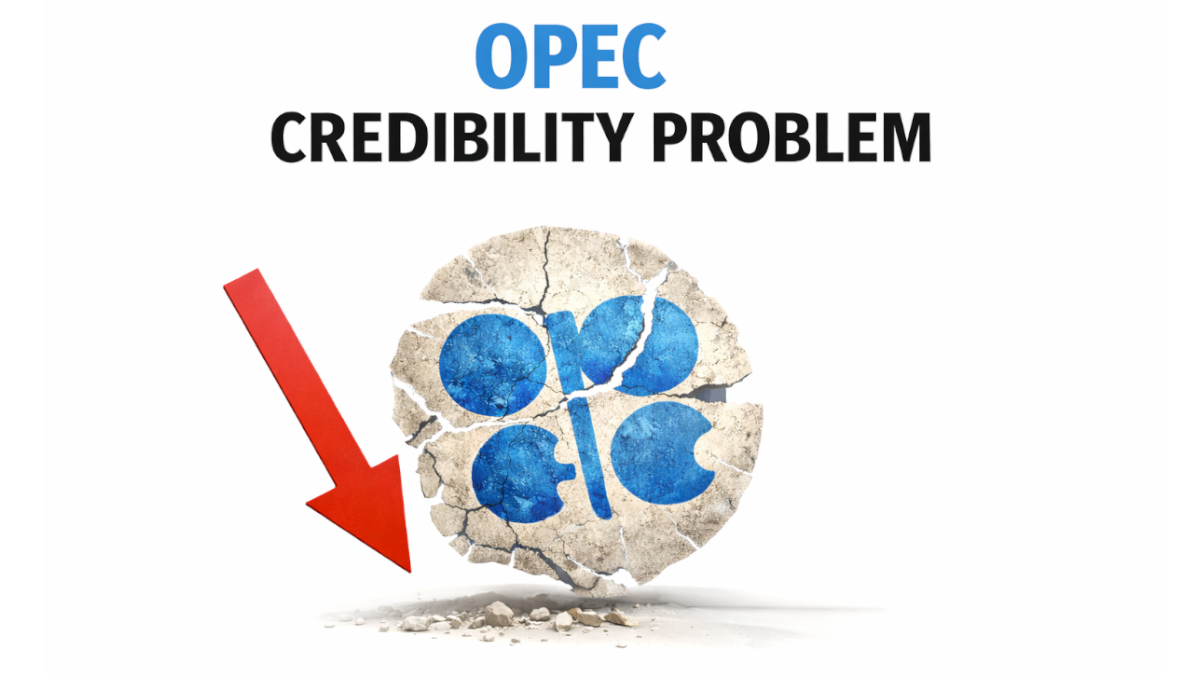
В конце ноября ОПЕК объявила, что сохранит уровень добычи нефти на прежнем уровне до первого квартала 2026 года. Исторически сложилось так, что когда цены на нефть падают и переизбыток предложения неизбежен, ОПЕК прибегает к одному и тому же инструменту: сокращению добычи. На этот раз этого не произошло.
Это говорит о многом.
По прогнозам, в 2026 году мы движемся к избытку нефти на рынке, однако ОПЕК даже не пригрозила сокращением добычи. Это необычно и показательно. Влияние ОПЕК на мировые цены на нефть уже не такое, как раньше. Когда-то эта организация наводила ужас на Запад, превращая ограничения поставок в политический рычаг. Сегодня ситуация изменилась. Теперь ОПЕК зависит от цен на нефть больше, чем цены на нефть зависят от ОПЕК.
Когда ОПЕК объявляет о сокращении добычи, мы относимся к этому скептически, и на то есть веские причины. Раз за разом обещанные сокращения не отражаются в фактических данных о добыче. Тем не менее, рынок продолжает верить этому, подталкивая цены на нефть вверх на короткое время, прежде чем реальность настигнет его.
Почему это происходит?
Потому что члены ОПЕК просто не могут позволить себе говорить правду.
Большинство стран ОПЕК в значительной степени зависят от нефтяных доходов для финансирования государственных расходов, социальных программ и политической стабильности. Во многих случаях доходы от экспорта нефти составляют большую часть национального дохода. Объявление о сокращении добычи — это попытка поднять цены, краткосрочная жертва ради долгосрочной выгоды. Но лишь немногие из этих правительств финансово или политически способны выдержать краткосрочные трудности. Поэтому сокращения остаются теоретическими.
Это очень похоже на ситуацию в США: политики обещают финансовую дисциплину, которую не могут обеспечить. Действия не соответствуют риторике.
Несколько десятилетий назад эти заявления имели вес. ОПЕК действительно контролировала предложение. Но эта эпоха закончилась со сланцевой революцией в середине 2000-х годов. С тех пор добыча и экспорт нефти в США резко выросли, примерно на 1000% с 2000 года. Ускорение этого роста за последние 17 лет коренным образом изменило рынок.
В 2008 году ОПЕК контролировала более 40% мирового предложения нефти. На долю США приходилось около 5%. Сегодня доля ОПЕК упала примерно до 35%, а доля США выросла до 17%. Этот сдвиг навсегда ослабил способность ОПЕК диктовать цены посредством скоординированных информационных интервенций.
Именно поэтому вскоре это отразится на акциях нефтяных компаний
Цены на сырьевые товары опережают цены на акции, а не наоборот. Пока цены на нефть не достигнут устойчивого минимума, акции энергетических компаний не обеспечат необходимый нам запас прочности. Именно поэтому за этим сектором следует понаблюдать в 2026 году.
Когда появится возможность, начните с сегмента нефтесервисных услуг. Эти компании, как правило, первыми получают выгоду от восстановления цен на нефть. Во время спадов производители откладывают техническое обслуживание и замедляют бурение, чтобы сохранить денежные средства. Как только цены стабилизируются и начинают расти, отложенные работы становятся неизбежными, и поставщики услуг видят быстрое восстановление спроса.
Компании в этой сфере восстанавливают добычу, обслуживают существующие скважины и поддерживают новые буровые проекты. Это эффективный способ сделать ставку на восстановление цен на нефть без прямого вложения в сам товар.
Нефтяной сектор остается одним из наших любимых. Но в инвестициях в энергетику время решает все. Ожидайте появления более привлекательной точки входа в начале 2026 года, и когда это произойдет, будьте готовы.
На данный момент терпение важнее оптимизма.
Удачи!
Новый мощный инструмент, Нефть WTI Technicals
Новый мощный инструмент, Нефть WTI Technicals
Технический анализ в реальном времени с мгновенным прогнозом с использованием самых популярных индикаторов и осцилляторов.
Вперед!

If you don’t find a way to make money while you sleep, you will work until you die.- Warren Buffett