

- Analytics
- Market Overview
Pound, Euro Lower After ECB & BOE Meetings, Sideways Ahead of NFP - 5.7.2013
Even though BOE and ECB decided to maintain monetary policies unchanged the Sterling and the Euro dropped widely against the greenback. Concerning ECB, the President Mario Draghi said that ”ECB rates to remain at present or lower levels for an extended period” also added “risks surrounding euro area continue to be on the downside”, sounding more dovish than in previous meetings and that increased selling pressure on the common currency. The heavier EURUSD dipped to downside hurdle at 1.2883 yesterday and from there continued in 1.2923/1.2883 tight range. Sideways are likely to remain until US NFP release later today expected to decline to 163K in June from 175K in May. Current down trend in the hourly chart is likely to continue should the US dollar strengthen with next price level likely at 1.28.
News

META Lost $119 Billion in a Day
Structural bearish pressure is building up; two verdicts confirm...
3/4/2026
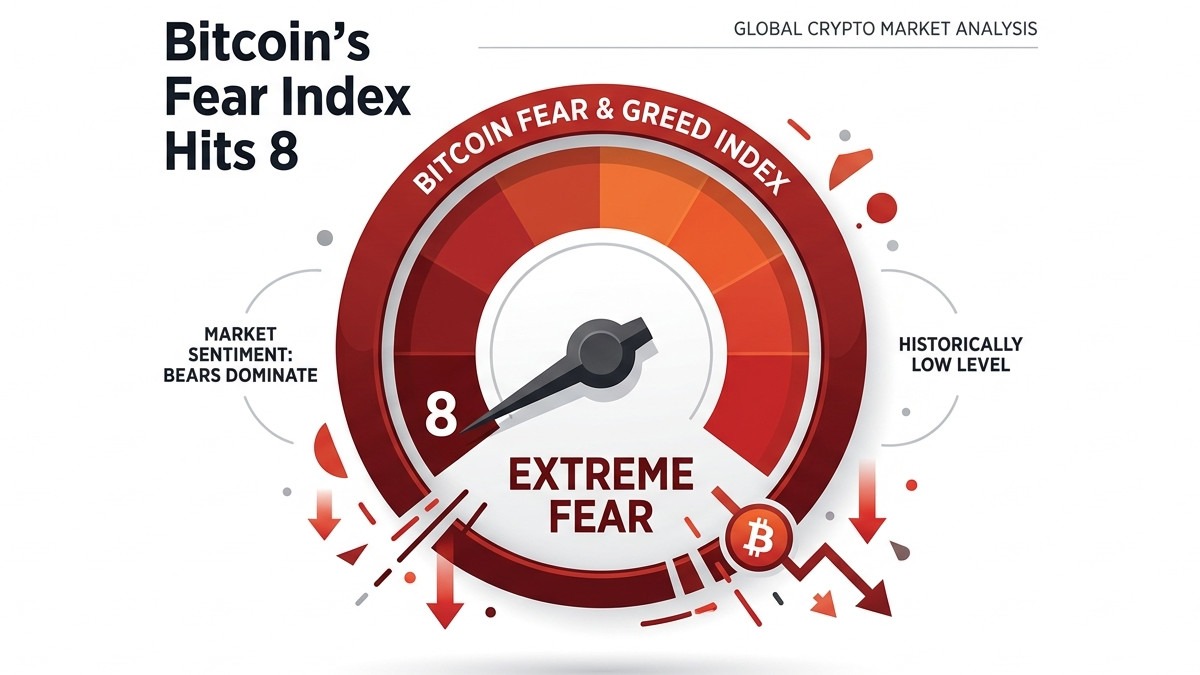
Bitcoin at $67K: Key Levels, Technicals and What's Driving the Price
Bitcoin is in a later stage of post-halving cycle, meaning prices...
31/3/2026
Meta Analysis: Not Addiction
The lawsuit against Meta in California is a battle over semantics,...
27/3/2026
From ChatGPT to the Department of War
This situation is a classic example of corporate chess. By early...
26/3/2026


Private Market in 2026: Blue Owl Capital
In the past few months Blue Owl Capital stock prices fell impressively...
17/3/2026
Explore our
Trading Conditions
- Spreads from 0.0 pip
- 30,000+ Trading Instruments
- Stop Out Level - Only 10%
Ready to Trade?
Open AccountSee Also

Follow the Market with Our Live Tools and Calendars

Market Analysis Lab from Our Top Experts